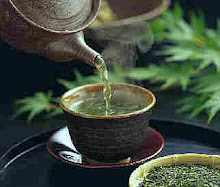
Tea has been used for weight loss since thousands of years. Some of it’s ingredients make Tea a very strong aid for weight loss and diets. I’m sure most of you have already heard about Oolong or Wu Yi diet tea and wondered, does Tea really work for a diet or weight loss program? Yes it does!!
There are three incredible ingredients in tea that work synergistically to influence the metabolic and nervous systems to help with weight loss and keep it off.
There is hard science behind the tea weight loss connection that explains the synergy of the Tea by it’s powerful ingredients: caffeine, L-theanine, and epigallocatechin-3-gallate (EGCG).
Caffeine is not all bad. It is a natural stimulant that has been shown to boost the process known as thermogenesis, or the generation of heat in the body. This process is at the center of weight loss; it is the way in which fat molecules are „burned”. Thermal energy is divided into calories; the more energy that is expended, the more calories you will burn. Numerous studies have shown that caffeine increases energy expenditure.
A study published in the American Journal of Clinical Nutrition in 1989 concluded that „caffeine at commonly consumed doses can have a significant influence on energy balance and may promote thermogenesis in the treatment of obesity.”
In another study published in the American Journal of Clinical Nutrition, this one is 1999, scientists studying the use of green tea extracts concluded that tea not only promoted thermogenesis, but that unlike caffeine alone, which arouses your nervous system and speeds up your heartbeat, the use of green tea extract was ”not accompanied by an increase in heart rate.” To summarize these two studies, the consumption of tea will increase the burning of calories and promote weight loss without increasing your heart rate.
L-theanine (el-THEE-uh-neen) is a non-protein-based amino acid that constitutes between 1 and 2 percent of the dry weight of tea leaves. Caffeine makes up only about 0.5 percent.
Several minutes after the caffeine has entered your system, the L-theanine is secreted from the small intestine into the blood system and into the brain where it stimulates alpha brain waves, which produce a state of relaxed and effortless alertness, thus canceling out the harmful effects of the caffeine.
Because of L-theanine’s effect on alpha brain waves, it is a natural medicine for the relief of stress, anxiety and tension.
When stress levels decrease, so do levels of cortisol, a hormone that, when stimulated, increases appetite and influences where body fat will be stored (mainly in the abdominal region).
So it seems that L-theanine not only reverses caffeine’s harmful effects but assists to reduce stress, which in turn reduces appetite and the storage of fat in your body.
EGCG is more than a potent antioxidant. It forms a powerful combination with the caffeine and L-theanine and it’s a potent factor in stimulating weight loss. Studies have shown that green tea extracts (containing EGCG) markedly inhibit enzymes in the pancreas that help to digest fat in vitro (in a test tube), which may translate into reduced fat digestion in humans.
So next time your your considering a diet or weight loss porgram, you should definetly look at tea as an easy and efficient way to help you keep those extra pounds off.
For more information on tea and it's health benefits please visit our website at http://myhealthtea.com
Monday, May 31, 2010

Thursday, May 27, 2010
Chilled chrysanthemum tea
This variation is an ideal drink for hot summer parties. As well as helping to prevent sunstroke it is also an excellent thirst quencher. Big soup tureens, heat-resistant bowls, and large jugs are all ideal vessels for serving this tea.
· Half a package of dried white chrysanthemum flowers
· 7–8 pints (4 – 4 ½ liters) of water
· Honey or rock sugar to taste
Wash the chrysanthemum flowers and put them into a large saucepan with the water. Bring it to the boil, reduce the heat, and continue to cook for half an hour. If you wish to use rock sugar add it at this stage. Remove the pan from the heat, allow to cool slightly, and strain the tea into the tureen or bowl. Allow the tea to cool completely and chill in the refrigerator before serving.
If you use honey, cover the pot and wait until the tea is lukewarm before adding it.
Please visit our website for more great tea recipes http://www.myhealthtea.com
· Half a package of dried white chrysanthemum flowers
· 7–8 pints (4 – 4 ½ liters) of water
· Honey or rock sugar to taste
Wash the chrysanthemum flowers and put them into a large saucepan with the water. Bring it to the boil, reduce the heat, and continue to cook for half an hour. If you wish to use rock sugar add it at this stage. Remove the pan from the heat, allow to cool slightly, and strain the tea into the tureen or bowl. Allow the tea to cool completely and chill in the refrigerator before serving.
If you use honey, cover the pot and wait until the tea is lukewarm before adding it.
Please visit our website for more great tea recipes http://www.myhealthtea.com
Wednesday, May 26, 2010
Tea for reducing internal heat
Tea for reducing internal heat
Yellow chrysanthemum tea
Waking up in the morning with a sticky discharge around your eyes or poor vision is an indication of too much heat in the body. Chrysanthemum tea reduces heat and clears the eyes. You can buy the flowers, dried and in plastic packages, from Chinese markets or herbalists. Be sure to buy yellow chrysanthemums rather than white ones, which are used for treating sunstroke. There are three ways of making this tea with the following ingredients:
· 10-20 yellow chrysanthemum flowers
· 3 cups (850 ml) of water
Method one
Set the water to boil and warm the teapot. Add 10-20 flowers to the heated pot. When the water has reached a fast boil pour it over the flowers. Leave to stand for 2-3 minutes before drinking. (You may wish to strain the tea into a cup, as the flowers break up and tend to float.)
Method two
For a fuller taste, brew some tea leaves with the chrysanthemums. To make the tea, add the flowers and the tea of your choice to the pot and proceed as before.
Method three
If you have a sweet tooth you can add rock sugar to this tea. Rock sugar crystals can be bought from Chinese stores. It has a very pleasant taste and is a lovely light golden color: If the lumps of sugar are too large, wrap them in a dish towel or paper and hit them with a hammer or rolling pin to break them into smaller pieces.
Wash and drain the flowers, and put them into a saucepan. Add the water and bring to the boil. Turn the heat down low and continue to cook the flowers for 25 minutes. Add the rock sugar and cook for another 3 minutes. Allow the tea to cool slightly, then strain and drink.
You can use the flowers twice to make tea. The flavor will be weaker the second time, but the tea will retain its curative properties.
Yellow chrysanthemum tea
Waking up in the morning with a sticky discharge around your eyes or poor vision is an indication of too much heat in the body. Chrysanthemum tea reduces heat and clears the eyes. You can buy the flowers, dried and in plastic packages, from Chinese markets or herbalists. Be sure to buy yellow chrysanthemums rather than white ones, which are used for treating sunstroke. There are three ways of making this tea with the following ingredients:
· 10-20 yellow chrysanthemum flowers
· 3 cups (850 ml) of water
Method one
Set the water to boil and warm the teapot. Add 10-20 flowers to the heated pot. When the water has reached a fast boil pour it over the flowers. Leave to stand for 2-3 minutes before drinking. (You may wish to strain the tea into a cup, as the flowers break up and tend to float.)
Method two
For a fuller taste, brew some tea leaves with the chrysanthemums. To make the tea, add the flowers and the tea of your choice to the pot and proceed as before.
Method three
If you have a sweet tooth you can add rock sugar to this tea. Rock sugar crystals can be bought from Chinese stores. It has a very pleasant taste and is a lovely light golden color: If the lumps of sugar are too large, wrap them in a dish towel or paper and hit them with a hammer or rolling pin to break them into smaller pieces.
Wash and drain the flowers, and put them into a saucepan. Add the water and bring to the boil. Turn the heat down low and continue to cook the flowers for 25 minutes. Add the rock sugar and cook for another 3 minutes. Allow the tea to cool slightly, then strain and drink.
You can use the flowers twice to make tea. The flavor will be weaker the second time, but the tea will retain its curative properties.
Monday, May 24, 2010
Tea Supplement/ Extract
Tea Supplement/ Extract
Tea supplement is a substance made from Camellia sinensis (tea leaves). The leaves are dried and combined with alcohol to form an extract, which can be sold in small bottles to mix with liquid for drinking or packaged into capsules to take orally. The distillation process ensures that a standard amount of active ingredients remain in the extract
A person may choose to take a supplement rather than drinking pure tea due to taste preference, time, or convenience. Tea supplements are more concentrated than drinking boiled tea leaves, it is generally recommended in small dosages. A person will typically be advised to take one capsule per day, which may contain the same amount of green tea as two to three cups of the beverage. Tea extract is not considered safe for children under 18 or for women who are pregnant or currently breastfeeding.
Herbalists may recommend tea supplements for a variety of potential health benefits. Daily use can make a person more alert and able to retain information. It is also thought to help with weight loss by suppressing the appetite and breaking down nutrients faster for energy use rather than fat storage. Tea extracts can also lower anxiety, as well as function as an anti-inflammatory medication. It’s also being used to treat arthritis or gastrointestinal inflammation caused by digestive problems.
The supplement may cause an allergic rash in some people, as well as make sleeping difficult due to its stimulating properties. It can also result in constipation or severe stomach pain. People who are taking controlled medications are recommended to consult with their doctors prior to taking green tea supplements because they can interfere with some medications, such as blood thinners, antibiotics, and mood stabilizers.
Please feel free to consult our article directory for more information on tea supplements or visit our store for a variety of tea supplements and extracts.
Tea supplement is a substance made from Camellia sinensis (tea leaves). The leaves are dried and combined with alcohol to form an extract, which can be sold in small bottles to mix with liquid for drinking or packaged into capsules to take orally. The distillation process ensures that a standard amount of active ingredients remain in the extract
A person may choose to take a supplement rather than drinking pure tea due to taste preference, time, or convenience. Tea supplements are more concentrated than drinking boiled tea leaves, it is generally recommended in small dosages. A person will typically be advised to take one capsule per day, which may contain the same amount of green tea as two to three cups of the beverage. Tea extract is not considered safe for children under 18 or for women who are pregnant or currently breastfeeding.
Herbalists may recommend tea supplements for a variety of potential health benefits. Daily use can make a person more alert and able to retain information. It is also thought to help with weight loss by suppressing the appetite and breaking down nutrients faster for energy use rather than fat storage. Tea extracts can also lower anxiety, as well as function as an anti-inflammatory medication. It’s also being used to treat arthritis or gastrointestinal inflammation caused by digestive problems.
The supplement may cause an allergic rash in some people, as well as make sleeping difficult due to its stimulating properties. It can also result in constipation or severe stomach pain. People who are taking controlled medications are recommended to consult with their doctors prior to taking green tea supplements because they can interfere with some medications, such as blood thinners, antibiotics, and mood stabilizers.
Please feel free to consult our article directory for more information on tea supplements or visit our store for a variety of tea supplements and extracts.
Tuesday, May 18, 2010
Medical science and tea
Drinking three to four cups of mild, good-quality tea each day can provide protection from all kinds of ailments. Scientific examination of tea has shown it to contain a cocktail of health-giving constituents, such as vitamins B1, B2, and B6, as well as vitamin C, flavonoids, and polyphenols.
Tea is also rich in two key minerals, namely manganese, which is essential for bone growth and body development, and potassium, which helps to keep the heart beating and maintain the fluid levels in the body.
Tea is also tooth friendly, as it is one of the few natural sources of fluoride. Oral hygienists increasingly believe that tea improves overall oral health by preventing tooth decay and reducing plaque.
There is growing scientific evidence that the antioxidant effects of the flavonoids in tea are important in helping to prevent cancer of such organs as the pancreas, prostate, colon, esophagus, and the mouth.
Of equal significance is tea’s ability to combat heart disease and reduce the risk of strokes: studies show that tea reduces blood cholesterol and blood clotting and lowers blood pressure. Perhaps the most striking development in medical research has been the recent assessment by staff associated with the Harvard Medical School. They found that a person who drinks a single cup of tea a day can cut the risk of having a heart attack by 44 percent. This is due to the powerful antioxidants in tea, which counteract fatty deposits in the arteries. In short, a good-quality tea can help to keep down cholesterol and improve circulation by helping to increase blood flow and prevent hardening of the arteries.
Another study showed that men who drank green tea burned up more calories than men who did not. This means that tea may also assist with weight loss by accelerating the oxidation of fat.
Tea is often taken after a meal because it aids digestion by helping the breakdown of meats and facts; indeed, after an evening of wine or other alcohol, several cups of tea are always helpful as a pick-me-up. Scientific research also suggests that the chemicals in a tea may have the effect of counteracting carcinogens in certain foods, for example fried and grilled meat.
Tea is also rich in two key minerals, namely manganese, which is essential for bone growth and body development, and potassium, which helps to keep the heart beating and maintain the fluid levels in the body.
Tea is also tooth friendly, as it is one of the few natural sources of fluoride. Oral hygienists increasingly believe that tea improves overall oral health by preventing tooth decay and reducing plaque.
There is growing scientific evidence that the antioxidant effects of the flavonoids in tea are important in helping to prevent cancer of such organs as the pancreas, prostate, colon, esophagus, and the mouth.
Of equal significance is tea’s ability to combat heart disease and reduce the risk of strokes: studies show that tea reduces blood cholesterol and blood clotting and lowers blood pressure. Perhaps the most striking development in medical research has been the recent assessment by staff associated with the Harvard Medical School. They found that a person who drinks a single cup of tea a day can cut the risk of having a heart attack by 44 percent. This is due to the powerful antioxidants in tea, which counteract fatty deposits in the arteries. In short, a good-quality tea can help to keep down cholesterol and improve circulation by helping to increase blood flow and prevent hardening of the arteries.
Another study showed that men who drank green tea burned up more calories than men who did not. This means that tea may also assist with weight loss by accelerating the oxidation of fat.
Tea is often taken after a meal because it aids digestion by helping the breakdown of meats and facts; indeed, after an evening of wine or other alcohol, several cups of tea are always helpful as a pick-me-up. Scientific research also suggests that the chemicals in a tea may have the effect of counteracting carcinogens in certain foods, for example fried and grilled meat.
Tea and Chi or Qi energy
A warm cup of tea is a positive source of Chi, Qi energy and its combination of warmth and fluidity stimulates the flow of person’s chi and improves its circulation throughout the body. The properties infused into the water from the tea leaves also refresh the mind, and a lively, alert mind is one of the keys to health: a sluggish mind dampens down the flow of chi, whereas a vibrant mind stimulates it.
In China, tea is regarded as one of the main aids to a long and healty life. Tea that is made the right way and is not too strong or too weak, combined with daily excercise, can keep your body healthy all your life. Therefore tea is considered an important part of the Chi energy flow.
Throughout the changing seasons, tea acts as a natural thermostatic regulator: in cold weather, a hot cup of tea is ideal for helping the body to keep warm, while in hot weather, warm tea is the drink that will cool you down most efficiently. This is because it gently raises the body temperature, thereby encouraging the body to sweat and cool itself naturally.
Possibly the most important characteristic of tea is its ability to relax the drinker: Traditionally, people take time off for tea. It is a time to sit with others, either to enjoy a period of repose or to chat with friends. When freshly brewed tea is poured from the teapot, it is normally too hot to drink. This is a wonderful opportunity to sit back, relax, watch the steam from your cup coil into the air around you, and allow the aroma to fill your nostrils. As you wait for the tea to cool down, the tensions of the day will slip away unnoticed. Tea is a silent but powerful influence in our lives.
In China, tea is regarded as one of the main aids to a long and healty life. Tea that is made the right way and is not too strong or too weak, combined with daily excercise, can keep your body healthy all your life. Therefore tea is considered an important part of the Chi energy flow.
Throughout the changing seasons, tea acts as a natural thermostatic regulator: in cold weather, a hot cup of tea is ideal for helping the body to keep warm, while in hot weather, warm tea is the drink that will cool you down most efficiently. This is because it gently raises the body temperature, thereby encouraging the body to sweat and cool itself naturally.
Possibly the most important characteristic of tea is its ability to relax the drinker: Traditionally, people take time off for tea. It is a time to sit with others, either to enjoy a period of repose or to chat with friends. When freshly brewed tea is poured from the teapot, it is normally too hot to drink. This is a wonderful opportunity to sit back, relax, watch the steam from your cup coil into the air around you, and allow the aroma to fill your nostrils. As you wait for the tea to cool down, the tensions of the day will slip away unnoticed. Tea is a silent but powerful influence in our lives.
Wednesday, May 12, 2010
How To Brew Tea
How you brew tea is one of the most important factors in a good cup of tea. Brewing tea the correct way is just as important as the selection of the type of tea that we use for it. Each type of tea has different requirement to brew it, in order to get the most health benefits out of it. For most teas you will need one teaspoon of tea per cup of water. For measurement purposes, use a standard size cup. Some like oolong may need you to add in two teaspoons per cup. Check for the instructions on the packaging before you begin. If you like your tea strong you might want to adjust the amount of leaves you add to the pot as per your taste.
First, find out what temperature suits your tea. Next, figure out the temperature of your water.
· White tea needs a temperature of 158-180 F.
· Green tea require to be at 158-180 F. Scented green ones though need a higher temperature than regular green tea. They should be at 190-212 F.
· Oolong tea requires a temperature of 190-200 F.
· Black tea needs to be at 190-200 F. Spiced black tea needs to be at a high temperature of 200-212 F.
· Herbal ones need to be at 212 F.
As for the infusion part of the process, this is when you need to allow the tea leaves to unfold completely so that all the favor and nutrients can infuse into the water.
You can use tea balls to infuse your tea. They are simple to use and really easy while leaning, but they don't allow enough room for tea leaves to expand completely. You can use an in-cup strainer to brew tea especially when you are making just a single cup of tea. They work better than tea balls and very convenient to use. Some teapots have in-built strainers that make them easy to use. Teapots work best at infusing your tea fully, especially when you are brewing more than one cup of tea.
How long you need to brew your drink depends on the kind of leaves you are using:
· White tea 2 to 4 minutes
· Green tea 2 to 4 minutes
· Oolong tea 3 to 7 minutes (light oolongs should be brewed to a maximum of 5 minutes while dark oolongs require a brewing time of 7 minutes)
· Black 3 to 5 minutes.
· Herbal teas there is no set brewing time. The time depends completely on the kind of herbal tea you are making.
Watch our great selection of tea videos on how to brew tea and visist our How to Select Tea page to help you in choosing the right tea for you.
First, find out what temperature suits your tea. Next, figure out the temperature of your water.
· White tea needs a temperature of 158-180 F.
· Green tea require to be at 158-180 F. Scented green ones though need a higher temperature than regular green tea. They should be at 190-212 F.
· Oolong tea requires a temperature of 190-200 F.
· Black tea needs to be at 190-200 F. Spiced black tea needs to be at a high temperature of 200-212 F.
· Herbal ones need to be at 212 F.
As for the infusion part of the process, this is when you need to allow the tea leaves to unfold completely so that all the favor and nutrients can infuse into the water.
You can use tea balls to infuse your tea. They are simple to use and really easy while leaning, but they don't allow enough room for tea leaves to expand completely. You can use an in-cup strainer to brew tea especially when you are making just a single cup of tea. They work better than tea balls and very convenient to use. Some teapots have in-built strainers that make them easy to use. Teapots work best at infusing your tea fully, especially when you are brewing more than one cup of tea.
How long you need to brew your drink depends on the kind of leaves you are using:
· White tea 2 to 4 minutes
· Green tea 2 to 4 minutes
· Oolong tea 3 to 7 minutes (light oolongs should be brewed to a maximum of 5 minutes while dark oolongs require a brewing time of 7 minutes)
· Black 3 to 5 minutes.
· Herbal teas there is no set brewing time. The time depends completely on the kind of herbal tea you are making.
Watch our great selection of tea videos on how to brew tea and visist our How to Select Tea page to help you in choosing the right tea for you.
What is Herbal Tea?
Herbal tea is not technically speaking an actual tea. Rather, they are infusions made from herbs instead of tea that is made from the Camelia Sinensis plant. The essence of the herb is extracted when the tea is steeped in hot water.
Herbal teas have been around for thousands of years but its popularity in the Western world only happened in recent times. In Asian countries however, the perceived powers of herbal tea has never waned and many view drinking herbal tea as part of their regular routines. The type of plant often dictates which part will be used. For example to make a chamomile tea, the flowers are used, to make peppermint tea, the leaves are used, and to make ginger tea, the roots are used. The herbs can be fresh or dried. They are then seeped in a cup of hot water, to create an infusion which allowed the therapeutic properties to be released.
Herbal tea comes in different varieties including organic. Some teas also have a combination of more than one herb. All herbal tea remedies come with their own unique taste and blend. With exceptional medicinal properties and several flavors to choose from, herbal tea has become the preferred beverage for millions of health conscious people across the world.
So the next time you are shopping for beverages just leave out the artificially sweetened drinks and opt instead for teas and herbal teas. Delicious hot or cold, they will add a new dimension to your day without incurring additional health costs.
Due to the variety it is often more convenient to buy herbal tea online because it is difficult for physical stores to stock as many varieties.
· Types of Herbal Tea
· Herbal Tea Health Benefits
Herbal teas have been around for thousands of years but its popularity in the Western world only happened in recent times. In Asian countries however, the perceived powers of herbal tea has never waned and many view drinking herbal tea as part of their regular routines. The type of plant often dictates which part will be used. For example to make a chamomile tea, the flowers are used, to make peppermint tea, the leaves are used, and to make ginger tea, the roots are used. The herbs can be fresh or dried. They are then seeped in a cup of hot water, to create an infusion which allowed the therapeutic properties to be released.
Herbal tea comes in different varieties including organic. Some teas also have a combination of more than one herb. All herbal tea remedies come with their own unique taste and blend. With exceptional medicinal properties and several flavors to choose from, herbal tea has become the preferred beverage for millions of health conscious people across the world.
So the next time you are shopping for beverages just leave out the artificially sweetened drinks and opt instead for teas and herbal teas. Delicious hot or cold, they will add a new dimension to your day without incurring additional health costs.
Due to the variety it is often more convenient to buy herbal tea online because it is difficult for physical stores to stock as many varieties.
· Types of Herbal Tea
· Herbal Tea Health Benefits
Tuesday, May 11, 2010
Detox Tea for Cleansing
Cleansing is a great way to assist your body when it comes to combating the unhealthy problems that might be lurking inside your body. There are different types of detox or cleansing programs that also include fasting for a period of 24 hours. However you can do a little cleansing every day just by making a habit out of consuming tea or specific detox tea in the mornings for example. Drinking detox tea or green tea in the mornings forces the detoxification process to continue for an extended period of time and you body gets cleansed during the nights when the body is ate rest.
Tea by itself is a natural detoxifier. Though it contains potentially harmful elements such as tannin and caffeine, it also acts as an agent encouraging increased urination. This helps the body to eliminate a considerable amount of contaminants. In addition, tea is an antioxidant, which means that it preserves body tissue by preventing degeneration. From the different types of tea green tea and rooibos are the most commonly used for cleansing. They both contain high levels of antioxidants which makes them a great cleansing agent. Important to note is that green tea does contain some caffeine, however much less then coffee. Also, when drinking green tea, always make it yourself. Bottled green teas tend to have quite a bit of sugar and other flavors added to them to improve the taste.
If you’re looking for a caffeine free tea, Detox tea will be your best choice as it consists of all natural and caffeine free ingredients. It is commonly combined with various herbs taken from all over world, chosen for their health benefits. The Yogi Detox tea blend is an interesting exotic combination of herbs with the potential to cleanse the liver, gall bladder and immune system. One to three cups a day is recommended and the company recommends not using the product for more than 30 days consecutive. Herbal detox teas are a great choice if you want to naturally cleanse your body of impurities. You can also create your own blend using dried herbs by combining them to get both the health benefits and the pleasure of certain unique flavors.
Feel free to visit our store and browse our collection of green tea and detox tea.
Tea by itself is a natural detoxifier. Though it contains potentially harmful elements such as tannin and caffeine, it also acts as an agent encouraging increased urination. This helps the body to eliminate a considerable amount of contaminants. In addition, tea is an antioxidant, which means that it preserves body tissue by preventing degeneration. From the different types of tea green tea and rooibos are the most commonly used for cleansing. They both contain high levels of antioxidants which makes them a great cleansing agent. Important to note is that green tea does contain some caffeine, however much less then coffee. Also, when drinking green tea, always make it yourself. Bottled green teas tend to have quite a bit of sugar and other flavors added to them to improve the taste.
If you’re looking for a caffeine free tea, Detox tea will be your best choice as it consists of all natural and caffeine free ingredients. It is commonly combined with various herbs taken from all over world, chosen for their health benefits. The Yogi Detox tea blend is an interesting exotic combination of herbs with the potential to cleanse the liver, gall bladder and immune system. One to three cups a day is recommended and the company recommends not using the product for more than 30 days consecutive. Herbal detox teas are a great choice if you want to naturally cleanse your body of impurities. You can also create your own blend using dried herbs by combining them to get both the health benefits and the pleasure of certain unique flavors.
Feel free to visit our store and browse our collection of green tea and detox tea.
Tuesday, May 4, 2010
Tea Health Benefits
elow is a summary of some of the health benefits of Tea. To sum it up, by drinking 2-4 cups of tea daily, you can reap in the numerous curative and preventive tea health benefits.
Anti-cancer properties
Numerous studies suggest that green tea protects against a range of cancers, including lung, prostate and breast cancer. The reason being is the antioxidant, epigallocatechin gallate (EGCG). According to research done at Japans Kyushu University, that growth of human lung cancer cells with a cell receptor called 67 LR is slowed significantly after drinking just two or three cups of green tea, which contains EGCG. According to another research White tea can be even more effective due to a higher rate of EGCG.
A study at Taiwan's Chung Shan Medical University found that people who drank at least one cup of green tea per day were five times less likely to develop lung cancer than those who did not.
Topical applications of green tea extracts also have protective effects on UVA and UVB induced skin damage and may suggest reduced risk of skin cancer.
Antidepressant properties
In a Japanese a study of more frequent consumption of green tea was associated with a lower prevalence of depressive symptoms.
Anti-diabetes effect
There is evidence that drinking green tea and black tea may help prevent diabetes however this is evidence of an association, and more in depth studies are needed to confirm the effect.
Effects on bacterial and fungal infections
A study at Pace University reported in May 2008 found white tea extracts to be effective at treating bacterial infections, such as pneumonia and dental caries. White tea was also found to be effective in treating fungal infections and research also showed that white tea extracts have a greater effect than green tea extracts.
Effects on bad breath
Researchers at the University of Illinois at Chicago stated that Tea helps to prevent the growth of bacteria that cause bad breath.
Cardiovascular health
Research published in April 2009 by University of L'Aquila suggests that drinking just one cup of regular, black tea per day may help to protect against cardiovascular disease.The research showed that black tea consumption improves blood vessel reactivity, reduce both blood pressure and arterial stiffness, indicating a notably better cardiovascular health profile.
Effects associated with caffeine
A cup of green tea contains between 15 and 50 mg of caffeine. Certain cognitive benefits are associated with caffeine consumption, such as a reduction in the likelihood of Parkinson's disease and a temporary increase in short term memory. Further, caffeine consumption has been linked with greater athletic performance, healthy weight loss, reduction in duration and severity of headaches and is effective in treating the symptoms of asthma.
Lowers chances of cognitive impairment
A 2006 study showed that elderly Japanese people who consumed more than 2 cups of green tea a day had a 50 percent lower chance of having cognitive impairment, in comparison to those who did not. This may be explained due to the effect of EGCG, which passes through the blood-brain barrier.
Effect on Dental Health
Scientists believe that drinking tea may be a good way to keep your teeth healthy. They found that compounds in black tea, white tea and green tea were capable of killing or suppressing growth and acid production of cavity-causing bacteria in dental plaque.
Effects on HIV
A recent study appearing in the Journal of Allergy and Clinical Immunology stated that EGCG found in green tea can lead to the inhibition of HIV virus binding and may be used as a complementary therapy for HIV patients. Important to note is that it’s not a cure, and nor is it a safe way to avoid infection; however it should be used in combination with conventional medicines to improve quality of life for those infected.
Boosts immune system
Details of a research project concluded by Brigham and Women's Hospital indicated that theanine may help the body's immune system response when fighting infection, because the production of anti-bacterial proteins was up to five times higher in the tea-drinkers, an indicator of a stronger immune response..
Iron overload disorders
Researchers in Germany have found that a daily cup of black tea can help stop excess iron damaging the bodies of people who suffer from hemochromatosis due to its high content of flavonoids which limit iron absorption.
Boosts mental alertness
Theanine found almost exclusively in the tea plant, alters the attention networks of the brain, according to results of human trials. The result is a calmer, yet more alert, state of mind.
Increases metabolic rate
Clinical trials conducted by the University of Geneva and the University of Birmingham indicate that green tea raises metabolic rates, speeds up fat oxidation and improves insulin sensitivity and glucose tolerance. In addition to caffeine, green tea contains catechin polyphenols that raise thermogenesis (the production of heat by the body), and hence increases energy expenditure. There is also a suggestion that it can increase endurance in exercise by improving fat metabolism.
Lowers stress hormone levels
According to research, drinking black tea can lead to lower levels of the stress hormone after a stressful event. Fifty minutes after being subjected to challenging tasks, subjects who had been drinking 4 cups of black tea daily for 6 weeks, had a 20% greater drop in cortisol than the placebo group.
Stroke
The research, conducted at the University of California, Los Angeles found that drinking green and black varieties of teas has a significant impact on the risk of stroke. Drinking three or more cups of tea per day can reduce the risk of suffering a stroke by as much as 21%.
Subscribe to:
Comments (Atom)